Wireline Construction Engineered for Speed and Accountability
Protect construction milestones by identifying permitting, make-ready, and field coordination challenges before they slow deployment.

You're not looking for a contractor who simply installs fiber.
You need construction that aligns with your engineering standards, permitting requirements, reporting tools, and funding timelines. When engineering, fielding, and construction operate in isolation, assumptions creep in. Assumptions turn into redesigns. Redesigns turn into delays.
Integrated execution reduces friction. Clear ownership reduces rework. Visibility reduces surprises.
Construction becomes a stabilizing force across the program — not another variable to manage.
Outside plant execution defines whether your schedule holds or slips. Utility coordination, make-ready sequencing, drilling operations, restoration, and splicing must move in alignment. When phases drift apart, schedules slip and costs compound.
You need structured aerial and underground execution that anticipates downstream constraints before crews mobilize.
Our approach supports:Construction transitions from a series of reactive corrections to a controlled system.
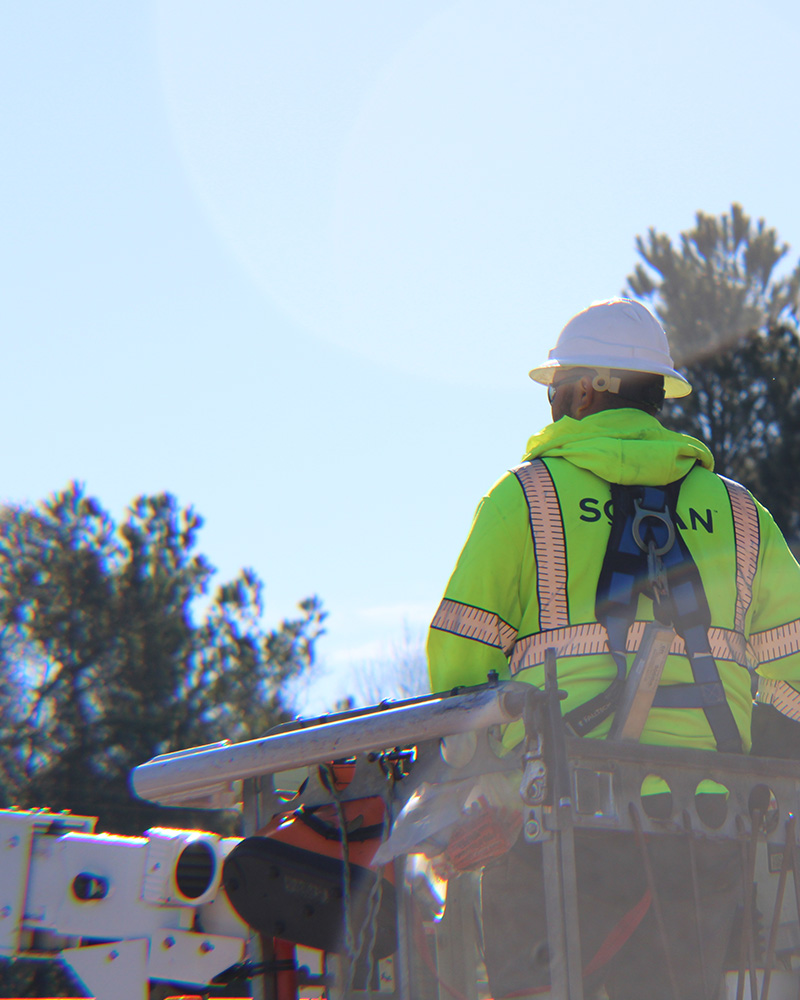
Inside plant deployment carries its own sequencing risks. Late design changes. Uneven permit releases. Gaps between field crews and facility teams. When coordination breaks down, activation timelines shift.
You need inside plant execution that connects each phase clearly to the next.
Integrated MDU and ISP services ensure:Activation becomes predictable instead of reactive.
Coordination risk grows as programs scale. When engineering and construction move at different speeds, reporting gaps widen, accountability blurs, and time becomes the most expensive variable in the program.
Turnkey execution requires defined ownership across phases. An integrated model aligns program management, engineering oversight, and construction leadership under a single framework that's built to protect milestones and capital exposure.
As programs scale, spreadsheets fail. Reporting gaps widen. Funding scrutiny increases. SQUAN operates an enterprise-grade back office integrating ESRI, Sitetracker, Motive, SAGE, TimberScan, and Power BI, interwoven into unified workflows designed around customer reporting and delivery requirements. You get national-grade reporting and financial control without adding bureaucratic layers.
Ownership remains clear from planning through completion.
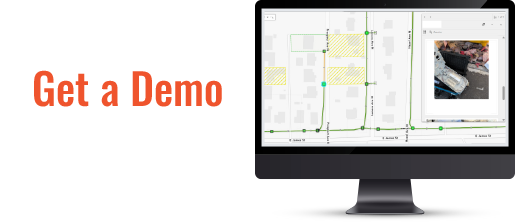
Visibility fragments. Static reports create false confidence. Decisions lag. Schedule and margin move out of control. VECTOR™ connects engineering, permitting, construction progress, and QA performance into a unified, map-based view. Leadership and field teams operate from the same source of truth.
With VECTOR, you can:Visibility shifts from retrospective reporting to active control across the deployment lifecycle.
Large contractors often scale by adding layers. Smaller firms struggle to scale quickly across markets.
You need both reach and responsiveness.
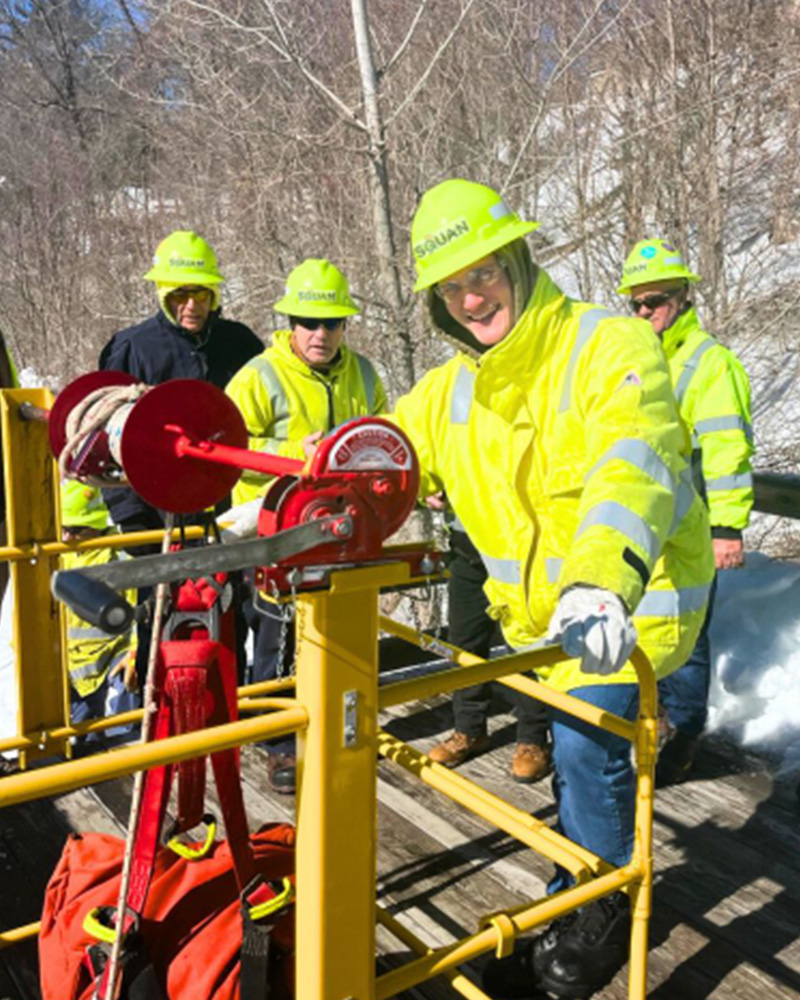
SQUAN maintains regional leadership engagement across multi-state programs while mobilizing the crews required to support growth. Field oversight, safety leadership, and QA infrastructure remain embedded throughout the lifecycle of the build.
Each Deployment Center operates under regional oversight and is supported by local construction directors and dedicated QA and safety leaders — all full-time SQUAN employees.
Many subcontractor partners have worked within SQUAN systems for more than a decade.
In the past three years, SQUAN has mobilized 18 new Deployment Centers to stabilize builds and support rapid market expansion.
Even as the footprint expands, accountability remains embedded in the field.
Stay Connected with Us


SQUAN CONSTRUCTION SERVICES | 193 Veterans Boulevard • Carlstadt, NJ 07072 | 201.408.5111 | © Copyright 2025. All Rights Reserved.